Field guide
Where anyone can contribute to biodiversity research, and how a record gets checked
A field guide to species observations, wildlife sounds, camera traps, plants and forests, and DNA, with the public data, free tools and official channels for each
(Received 9 October 2026)
This guide maps five kinds of biodiversity work open to people outside professional biology, lists the public data and free tools for each, and explains how a photo, sound or sample becomes a checked record that researchers can use.
Contents
- I.Scope and status
- II.Species observations
- A.Data and tools
- B.How records get checked
- C.Where results go
- III.Bioacoustics
- A.Data and tools
- B.How records get checked
- C.Where results go
- IV.Camera traps
- A.Data and tools
- B.How records get checked
- C.Where results go
- V.Plants and forests
- A.Data and tools
- B.How records get checked
- C.Where results go
- VI.DNA barcodes and environmental DNA
- A.Data and tools
- B.How records get checked
- C.Where results go
- VII.Is it already known?
- VIII.New local records and range extensions
- IX.New species
- X.Protecting threatened species
- XI.GainForest
- XII.Credit and honesty
- References
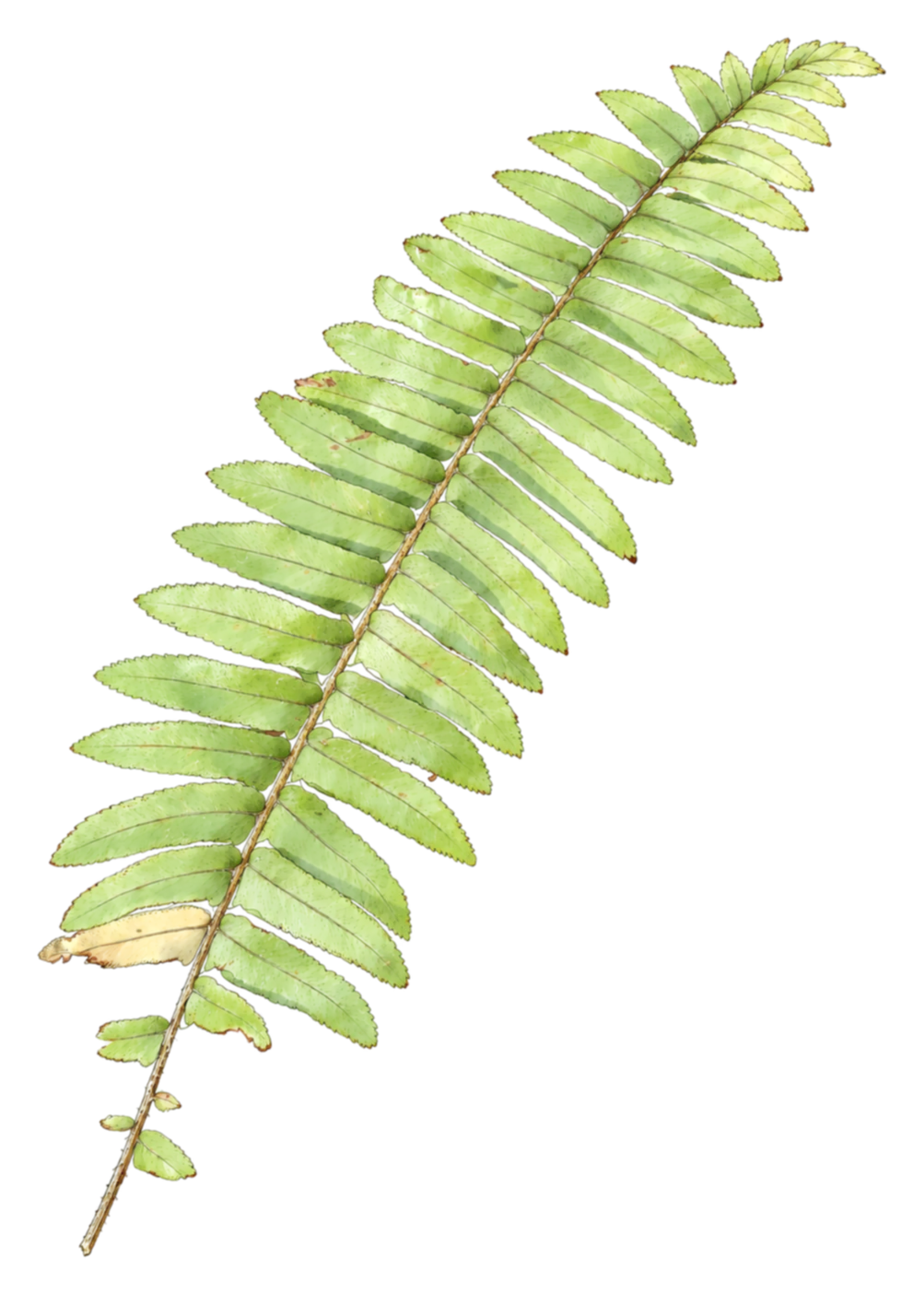
TABLE I. The biodiversity programmes. Species observations and bioacoustics are open now; the others will open as the community grows.
| Programme | Status | Public data | Where results go |
|---|---|---|---|
| Species observations | open now | iNaturalist, GBIF occurrence API | iNaturalist research grade, eBird review |
| Bioacoustics | open now | Xeno-canto, Macaulay Library | Xeno-canto, eBird checklists and the Macaulay Library |
| Camera traps | coming later | Wildlife Insights, Camtrap DP data format | European Camera Trap Project, Wildlife Insights |
| Plants and forests | coming later | Pl@ntNet observations, Global Nature Watch map, formerly Global Forest Watch | Pl@ntNet validation, GainForest |
| DNA barcodes and environmental DNA | coming later | BOLD data portal, OBIS | eDNA Expeditions 2026-2028, GBIF and OBIS |
I.Scope and status
This guide covers five kinds of biodiversity work where people outside professional biology produce records that researchers use, with the public data, free tools and reporting channels for each. Public Frontier opens with species observations and bioacoustics and adds the other areas later. The outside projects below are open now unless noted.
We checked everything on 9 October 2026. This year Global Forest Watch renamed itself Global Nature Watch,[1][1] Global Nature Watch (2026). Global Forest Watch is Now Global Nature Watch, first published 1 July 2026, updated 15 September 2026. World Resources Institute. globalnaturewatch.org and the wildlife sound archive Xeno-canto now requires a key from a registered account to use its API.[2][2] Xeno-canto (2026). Application Programming Interface (API v3). Xeno-canto Foundation. xeno-canto.org Check the footnotes before you rely on a rule.
A photo, a sound or a water sample is a claim about what lived where, and when. It becomes a record once someone else has checked the identification and the evidence through a recognised channel.
II.Species observations
A.Data and tools
iNaturalist is a free, nonprofit platform where people post photos or sounds of organisms with a date and a place, and other users help identify them.[3, 4][3] iNaturalist (2026). Home page. inaturalist.org[4] iNaturalist (2026). What is the Data Quality Assessment (DQA) and how do observations qualify to become "Research Grade"? iNaturalist Help, modified 6 July. help.inaturalist.org eBird collects checklists of birds and archives the photos and sounds that come with them, also for free.[5][5] eBird (2026). Home page. Cornell Lab of Ornithology. ebird.org Observation.org, run by a Dutch nonprofit foundation, records birds, plants and other groups and suggests species from photos with image recognition.[6, 7][6] Observation.org (2026). Welcome page. Stichting Observation International. observation.org[7] Observation.org (2026). Validation. Stichting Observation International. observation.org
The Global Biodiversity Information Facility (GBIF) brings these sources together. On 9 October 2026 its API counted 3,973,485,903 occurrence records.[8][8] GBIF (2026). Occurrence search API, total record count, queried 9 October 2026. api.gbif.org They included 169,720,759 research-grade observations from iNaturalist, 1,775,781,186 records from eBird and 135,121,491 from Observation.org.[9, 10, 11][9] GBIF (2026). Occurrence count for the dataset iNaturalist Research-grade Observations, queried 9 October 2026. api.gbif.org[10] GBIF (2026). Occurrence count for the dataset EOD, eBird Observation Dataset, published by the Cornell Lab of Ornithology, queried 9 October 2026. api.gbif.org[11] GBIF (2026). Occurrence count for the dataset Observation.org, Nature data from around the World, queried 9 October 2026. api.gbif.org GainForest has its own section below.
B.How records get checked
On iNaturalist an observation is verifiable when it has an accurate date and location, has photos or sounds, and shows a wild organism other than a human.[4] It becomes research grade when more than two thirds of identifiers agree on a species.[4] Other users can vote it down to casual, for example when the place or date looks wrong, or when artificial intelligence was used to add, remove or replace elements in the image or sound.[4]
eBird runs automated filters, set by volunteers with local knowledge, that flag rare species, records out of season and high counts.[12][12] eBird (2026). eBird Data Quality, on the eBird review process. eBird Help Center. support.ebird.org A flagged record stays hidden until a volunteer reviewer has evaluated it. Without enough evidence the reviewer marks it unconfirmed, and only the observer can see it.[12] eBird says the first record of a species needs more evidence than a common bird seen out of season.[12]
Observation.org accepts some records automatically, based on nearby approved records and image recognition.[7] Volunteer validators, some of them professionals at museums and universities, check records with photos or sound, rare species, records outside the known range or season, and unusual counts.[7] Validators generally reject implausible records that lack evidence.[7]
GBIF marks records with more than 60 kinds of issue flag, such as coordinates of exactly 0,0, and leaves users to decide which flagged records to drop.[13][13] GBIF (2026). Occurrence issues and flags. GBIF Technical Documentation. techdocs.gbif.org
C.Where results go
iNaturalist sends research-grade observations with CC0, CC BY or CC BY-NC licences to GBIF once a week. This is the observation's data licence, set separately from photo and sound licences.[14][14] iNaturalist (2025). Which iNaturalist observations are exported for GBIF, and how often does this export happen? iNaturalist Help, modified 13 October 2025. help.inaturalist.org Pick one of those three, or your observations will not reach GBIF. eBird and Observation.org publish their data on GBIF too.[6, 10]
III.Bioacoustics
A.Data and tools
Xeno-canto is a website for sharing wildlife sound recordings, started in 2005 and run by a Dutch charity.[15][15] Xeno-canto (2026). About. Xeno-canto Foundation. xeno-canto.org Its recordings carry Creative Commons licences that generally require credit and rule out commercial use.[15] GBIF holds Xeno-canto datasets of birds, with 924,259 records, and of grasshoppers and crickets, bats, frogs and land mammals.[16][16] GBIF (2026). Dataset search for Xeno-canto, with record counts per dataset, queried 9 October 2026. api.gbif.org
The Macaulay Library at the Cornell Lab of Ornithology archives wildlife photos, sounds and videos, and anyone can contribute.[17][17] Macaulay Library (2026). Home page and archive statistics. Cornell Lab of Ornithology. macaulaylibrary.org On 9 October 2026 its home page listed 10,056 bird species and 80,129 contributors.[17] It permanently archives the sound recordings that people attach to eBird checklists.[18][18] eBird (2026). Merlin Sound ID Best Practices. eBird Help Center. support.ebird.org
BirdNET, from the Cornell Lab's K. Lisa Yang Center for Conservation Bioacoustics and Chemnitz University of Technology, uses deep learning to recognise over 6,000 species by sound.[19, 20][19] BirdNET (2026). BirdNET home page. Cornell Lab of Ornithology and Chemnitz University of Technology. birdnet.cornell.edu[20] BirdNET team (2026). BirdNET-Analyzer repository and README, including the licence section. GitHub. github.com The BirdNET-Analyzer code is open under the MIT licence. Its models are licensed CC BY-NC-SA 4.0, and the team says that permits any educational or research use.[20] Arbimon is a free web platform with unlimited storage, where you upload audio from any recorder and detect species with AI.[21][21] Arbimon (2026). Arbimon home page. arbimon.org AudioMoth is a low-cost recorder that runs on three AA batteries and samples 8,000 to 384,000 times a second, which reaches well into ultrasonic frequencies.[22][22] Open Acoustic Devices (2026). AudioMoth. openacousticdevices.info
B.How records get checked
On Xeno-canto anyone can question an identification. The recording then leaves the main collection until the question is settled, and the discussion stays public.[15]
A classifier score is only a starting point. BirdNET's documentation says its confidence values are not probabilities, and it recommends listening to the detected segments, starting with the highest scores.[23][23] BirdNET team (2026). Segment Review. BirdNET-Analyzer documentation. birdnet-team.github.io The BirdNET site suggests filtering results by location and date to cut false positives.[19] eBird asks you to verify each Merlin Sound ID suggestion yourself before reporting it, never to report from a recording without a location, and to attach the recording.[18] For a rare species it may need several clear calls or other evidence.[18] eBird media reviewers can also flag a sound filed under the wrong species, which sends it to the local reviewer.[12]
C.Where results go
Xeno-canto publishes to GBIF.[16] The BirdNET team prefers to receive labelled recordings through Xeno-canto and downloads new ones regularly to improve its models.[24][24] BirdNET team (2026). FAQ. BirdNET-Analyzer documentation. birdnet-team.github.io Recordings on eBird checklists go to the Macaulay Library.[18]
IV.Camera traps
A.Data and tools
Wildlife Insights lets anyone with camera-trap photos upload them, have the animals identified by AI, analyse the results and explore public data from other projects.[25][25] Wildlife Insights (2026). Home page. wildlifeinsights.org Its model recognises 1,295 species and sets aside blank images.[26][26] Wildlife Insights (2026). About Wildlife Insights AI. wildlifeinsights.org The platform is free for citizen scientists, individuals without an organisation, academic users and Indigenous groups. Companies, and government agencies outside developing or transitioning economies, are expected to pay.[27][27] Wildlife Insights (2026). Subscriptions and Pricing. wildlifeinsights.org
MegaDetector, an open-source model from the Microsoft AI for Good Lab, finds animals, people and vehicles in camera-trap images. It does not identify species.[28][28] Microsoft AI for Good Lab (2026). MegaDetector repository and README. GitHub. github.com Google's SpeciesNet adds a species classifier on top of MegaDetector and does the species recognition in Wildlife Insights.[29][29] Google (2026). SpeciesNet, cameratrapai repository and README. GitHub. github.com
On Zooniverse, the European Camera Trap Project asks volunteers to classify animals in images from Doñana National Park in Spain, Tatra National Park in Poland, Indre Østfold in Norway and the Oder River Valley.[30][30] European Camera Trap Project (2026). Project page. Zooniverse. zooniverse.org It launched in March 2026 and was live on 9 October.[31][31] Zooniverse (2026). Project record for the European Camera Trap Project, with launch date and state, queried 9 October 2026. Zooniverse API. zooniverse.org
B.How records get checked
Each image in the European project's two active workflows retires after 15 volunteer classifications.[32][32] Zooniverse (2026). Active workflows of the European Camera Trap Project, with retirement rules, queried 9 October 2026. Zooniverse API. zooniverse.org In Wildlife Insights you review the AI's identifications, and the model marks an image unknown when it is unsure, so that a person looks at it.[26, 33][33] Wildlife Insights (2026). Wildlife Insights Learning Center. wildlifeinsights.org MegaDetector gives each detection a confidence score between 0 and 1, and users choose a threshold, typically 0.15 to 0.3.[28]
C.Where results go
The Camera Trap Data Package (Camtrap DP) is a shared format with tables of deployments, media and observations, and version 3 of GBIF's Integrated Publishing Toolkit can publish it.[34][34] Camtrap DP (2026). Camtrap DP, data exchange format for camera trap data. Biodiversity Information Standards (TDWG). camtrap-dp.tdwg.org Wildlife Insights offers public downloads of shared projects.[33]
V.Plants and forests
A.Data and tools
Pl@ntNet identifies plants from photos. Four French research organisations, CIRAD, Inria, INRAE and IRD, founded it in 2010,[35][35] GBIF (2026). Dataset search for Pl@ntNet, with descriptions and record counts, queried 9 October 2026. api.gbif.org and on 9 October 2026 its home page listed 84,710 species.[36][36] Pl@ntNet (2026). Home page. plantnet.org Global Nature Watch, called Global Forest Watch until 2026, offers free forest data and has published deforestation alerts since 2016.[1, 37][37] Global Nature Watch (2026). About GNW, with the history of Global Forest Watch. World Resources Institute. globalnaturewatch.org Its Forest Watcher app takes the data and tools offline into the field.[37]
A tree inventory records each tree's species, position and size. GainForest's schema calls diameter at breast height the core measurement in all tree inventories, taken by default at 1.3 metres and higher on buttressed trunks, and it has fields for total height, crown size and damage.[38][38] GainForest (2026). app.gainforest.dwc.measurement. GainForest data schemas. gainforest.app The USDA Forest Service's i-Tree offers free tools, and its Eco tool imports tree inventories. Its site says a policy change has halted the tools' traditional funding indefinitely.[39][39] i-Tree (2026). i-Tree Tools home page. USDA Forest Service. itreetools.org
B.How records get checked
Pl@ntNet weighs each user's vote by their experience. Among other conditions, an observation is validated when its name has a score of at least 2 and a probability of at least 0.7, and when its photos show leaves, flowers or fruit.[40][40] Pl@ntNet (2026). Observations validation. Pl@ntNet docs. docs.plantnet.org We treat a satellite alert as a candidate until someone has visited the site.
C.Where results go
Validated Pl@ntNet observations go to GBIF.[40] GBIF holds two Pl@ntNet datasets. One has 2,592,699 observations whose name is considered valid. The other has 12,142,287 identified by the algorithm alone at high confidence.[35] If you want records a person has checked, filter by dataset.
VI.DNA barcodes and environmental DNA
A.Data and tools
DNA barcoding identifies species from standard gene regions. A lab extracts DNA, copies the region by PCR, sequences it and matches the sequence against a reference library.[41][41] BOLD (2026). The Barcode of Life Data Systems, version 5 home page. boldsystems.org The data portal of the Barcode of Life Data System (BOLD) holds over 21.1 million public records.[41] Its ID engine lets researchers, students and citizen scientists submit sequences for comparison with sequences from more than 1.2 million species.[42][42] BOLD (2026). Barcode ID. id.boldsystems.org BOLD groups similar animal barcodes into Barcode Index Numbers (BINs), which usually correspond to species and stand in for them where no formal description exists.[41]
Environmental DNA, or eDNA, is genetic material that organisms leave in water, soil, sediment or air, which can be sampled and sequenced.[43][43] eDNA Explorer (2026). eDNA and eDNA Explorer. eDNA Explorer Resources, FAQs. resources.ednaexplorer.org eDNA Expeditions 2026-2028, run by the Ocean Biodiversity Information System (OBIS) of UNESCO's Intergovernmental Oceanographic Commission with the Minderoo Foundation and Wilderlab, supports 25 marine sites where local teams collect seawater every three months.[44][44] eDNA Expeditions (2026). eDNA Expeditions 2026-2028 home page. Ocean Biodiversity Information System, IOC-UNESCO. ednaexpeditions.org Scientists, rangers, students and community members take part.[44] eDNA Explorer gathers eDNA projects in a common format that beginners and experts can explore.[43]
B.How records get checked
No reference library contains every species, and GBIF's guide to DNA-derived data says that ignoring this has caused many misidentifications.[45][45] Abarenkov, K., et al. (2023). Publishing DNA-derived data through biodiversity data platforms, v1.4. GBIF Secretariat. docs.gbif.org eDNA studies repeat samples and steps to catch contamination and false positives, and an unexpected result needs checking with traditional methods.[45] One of the first eDNA Expeditions teams decontaminated its equipment the day before sampling and took a negative sample on site.[46][46] eDNA Expeditions (2026). Caution, confidence and small victories, inside the first eDNA Expeditions 2026-2028 sampling events, 14 September 2026. ednaexpeditions.org
C.Where results go
eDNA Expeditions shares all its data through OBIS.[44] GBIF's guide recommends publishing marine DNA data to OBIS as well as GBIF, and depositing the sequences in a nucleotide archive.[45] Public BOLD records are open in its data portal.[41]
VII.Is it already known?
Search these before you claim anything new. A gap on one map does not make a record new. Check List, for example, asks authors to cite and discuss every earlier record of the species.[47][47] Check List (2026). About, including Focus and Scope and Author Guidelines. Pensoft. checklist.pensoft.net
- GBIF occurrence search, documented at https://techdocs.gbif.org/en/openapi/v1/occurrence, finds records by name, place and date.[48][48] GBIF (2026). Occurrence API. GBIF Technical Documentation. techdocs.gbif.org A query such as https://api.gbif.org/v1/occurrence/search?scientificName=Parantica%20aglea&country=LK&limit=0 returns the number of records. It found 225 for the glassy tiger butterfly in Sri Lanka.[49, 50][49] GBIF (2026). Occurrence count for Parantica aglea in Sri Lanka, queried 9 October 2026. api.gbif.org[50] iNaturalist (2026). Taxon search for Parantica aglea, common name Glassy Tiger, queried 9 October 2026. iNaturalist API. api.inaturalist.org
- GBIF species match, https://api.gbif.org/v2/species/match?scientificName=Harpia%20harpyja, checks a name against GBIF's backbone taxonomy and returns the IUCN Red List category where one exists.[51, 52][51] GBIF (2026). Species API, including the version 2 match service. GBIF Technical Documentation. techdocs.gbif.org[52] GBIF (2026). Species match, version 2, for Harpia harpyja, queried 9 October 2026. api.gbif.org
- The IUCN Red List describes itself as the world's most comprehensive source on the extinction risk of animal, fungus and plant species.[53][53] GBIF (2026). Dataset record for The IUCN Red List of Threatened Species, published on GBIF 28 July 2026. api.gbif.org GBIF reports a species without a Red List category as Not Evaluated.[51] It does so for the glassy tiger, and reports Vulnerable for the harpy eagle.[54, 55][54] GBIF (2026). IUCN Red List category for Parantica aglea, queried 9 October 2026. api.gbif.org[55] GBIF (2026). IUCN Red List category for Harpia harpyja, queried 9 October 2026. api.gbif.org
- Catalogue of Life, https://www.catalogueoflife.org/, lists accepted names and synonyms. Its release of 11 September 2026 says it probably covers just over 80 percent of the world's known species.[56][56] Catalogue of Life (2026). Metadata of the latest release, COL26.9 of 11 September 2026, as served on 9 October 2026. ChecklistBank. api.checklistbank.org
- Xeno-canto species pages, such as https://xeno-canto.org/species/Harpia-harpyja, list the recordings already in the collection, 80 foreground recordings for the harpy eagle.[57][57] Xeno-canto (2026). Harpy Eagle (Harpia harpyja) species page. xeno-canto.org
- The BOLD data portal, https://portal.boldsystems.org/, shows which barcodes and BINs exist.[41]
VIII.New local records and range extensions
A new local record is the first documented record of a species in a country, region or site. A range extension pushes the known range further.
Check List, a peer-reviewed journal for species distributions, publishes Notes on Geographic Distribution, which report new records and give a complete overview of the species' known distribution.[47] Its rules show what a good record needs:[47]
- coordinates for every new record;
- figures that allow an unambiguous identification, and a comparison with similar species;
- voucher specimens deposited in a public scientific collection before submission. For threatened or protected species, or where collecting is banned, photos or sound recordings may do if they identify the species unambiguously, and a subject editor decides;
- for birds and mammals, observational records only when standard methods were followed and the species is easy to tell apart;
- a discussion of all earlier records, with the distance and direction to the nearest one.
At least two independent experts review each article.[47]
Biodiversity Data Journal publishes local checklists, faunistic and floristic data, new species and data papers, with community peer review.[58][58] Biodiversity Data Journal (2026). About, including Focus and Scope and article types. Pensoft. bdj.pensoft.net It discourages single-species records such as one new country record unless they add new information on the species, and it welcomes sets of records that extend ranges significantly.[58]
Get the identification confirmed before you write, through research grade, an eBird reviewer or an Observation.org validator, and say who confirmed it.
IX.New species
Under the zoological code, every new species name published after 1999 must come with a holotype or syntypes fixed in the original publication. For specimens, the publication must also name the collection that holds them.[59][59] International Commission on Zoological Nomenclature (2026). International Code of Zoological Nomenclature online, Article 16. code.iczn.org If a description rests on a photograph, the type is the animal in the photograph.[60][60] International Commission on Zoological Nomenclature (2026). International Code of Zoological Nomenclature online, Article 72. code.iczn.org The code discourages naming a species without a preserved type. Authors who do so should explain why no specimen was kept, describe their attempts to get one, consult specialists in the group, and document the species extensively with high-resolution images, DNA sequences and similar evidence.[61][61] International Commission on Zoological Nomenclature (2017). Declaration 45, Addition of Recommendations to Article 73 and of the term "specimen, preserved" to the Glossary. Bulletin of Zoological Nomenclature 73. iczn.org Purely electronic publications must be registered in ZooBank before they appear.[62][62] International Commission on Zoological Nomenclature (2012). Electronic publication made available with amendment to the Code. iczn.org
The botanical code is now the Madrid Code of 2025.[63][63] International Association for Plant Taxonomy (2026). International Code of Nomenclature for algae, fungi, and plants, landing page. iapt-taxon.org A new species name is valid only when its type is indicated, and the single herbarium or institution holding the type must be named.[64][64] International Association for Plant Taxonomy (2025). International Code of Nomenclature for algae, fungi, and plants (Madrid Code), preface and Articles 8.4, 40.1, 40.5 and 40.6. iaptglobal.org Since 2007 the type may not be an illustration, except for microscopic algae and microfungi. Types must be preserved permanently and may not be living organisms.[64] The Madrid Code also set up a mechanism for future voluntary registration of new plant and algal names.[64]
In practice a new species needs a taxonomist. Classical taxonomy delimits, describes and names a species in a formal publication that follows one of the codes.[45] A photo that matches nothing, or a BIN with no name, is a candidate and a reason to contact a specialist in the group.
X.Protecting threatened species
Precise locations can harm rare species. iNaturalist gives the example of orchids sought by poachers.[65][65] iNaturalist (2026). What is geoprivacy? What does it mean for an observation to be obscured? iNaturalist Help, modified 12 March. help.inaturalist.org eBird lists the cage-bird trade, hunting and disturbance at nests and roosts.[66][66] eBird (2026). Sensitive Species in eBird. eBird Help Center. support.ebird.org Observation.org mentions wild orchids cut out and birds caught illegally.[67][67] Observation.org (2026). Embargo, hidden and faded. observation.org
Each platform has its own rules:
- iNaturalist automatically obscures observations of taxa threatened by location disclosure. It replaces the coordinates with a random point in a 0.2 by 0.2 degree cell, about 500 square kilometres at the equator, and coarsens the locality and sometimes the date.[65] The harpy eagle's global IUCN status of Vulnerable carries that setting on iNaturalist, so every harpy eagle observation is obscured.[68][68] iNaturalist (2026). Taxon record for Harpia harpyja with its conservation statuses, queried 9 October 2026. iNaturalist API. api.inaturalist.org
- eBird hides sensitive species from checklists and site-level output and shows them on its maps only at the level of 400 square kilometre cells.[66]
- Wildlife Insights fuzzes the coordinates of any camera that photographed a sensitive species in its public downloads.[69][69] Wildlife Insights (2026). Sensitive Species. Wildlife Insights Getting Started Guide. wildlifeinsights.org
- Observation.org can embargo records for one month to eight years, and can hide sensitive records for a whole species, a location or a single observation.[67]
- eDNA Explorer obscures the locations of species rated near threatened or worse by the IUCN.[43]
iNaturalist warns that obscuring is imperfect. Landmarks in photos, notes, or open observations made nearby at the same time can give the spot away.[65] eBird asks observers to keep the exact location of sensitive sightings off other public platforms.[66]
GBIF's guide to sensitive data prefers generalised coordinates, for example to 0.1 degrees or about 10 kilometres, to random offsets. Its reasoning is that generalised data stay true, and random offsets add deliberate errors.[70][70] Chapman, A. D. (2020). Current Best Practices for Generalizing Sensitive Species Occurrence Data. GBIF Secretariat. docs.gbif.org The guide asks publishers to record what they did in the Darwin Core fields dataGeneralizations and informationWithheld.[70, 71][71] Darwin Core Maintenance Group (2026). Darwin Core List of Terms, entries for dataGeneralizations and informationWithheld. Biodiversity Information Standards (TDWG). dwc.tdwg.org On ATProto the timing matters, because repository contents are entirely public.[72][72] AT Protocol (2026). Repository specification. atproto.com Generalise the location of a threatened species before the record is written.
XI.GainForest
GainForest is a Swiss non-profit. Its app at https://gainforest.app lets communities log species, sounds and field work from their phones, and anyone can explore the records.[73][73] GainForest (2026). GainForest app home page. gainforest.app On 9 October 2026 its home page counted 51.8 thousand sightings.[73]
Each observation is an app.gainforest.dwc.occurrence record, one occurrence aligned with Simple Darwin Core, the subset of Darwin Core terms in common use across biodiversity data.[74, 75][74] GainForest (2026). Published lexicon record for app.gainforest.dwc.occurrence, read 9 October 2026. discina.us-west.host.bsky.network[75] Darwin Core Maintenance Group (2023). Simple Darwin Core, version 2023-09-13. Biodiversity Information Standards (TDWG). dwc.tdwg.org The required fields are the basis of record, the scientific name, the event date and the creation time. Optional fields include coordinates, photo and sound evidence, dataGeneralizations and informationWithheld.[74] The record is written into the observer's own ATProto repository, or into an organisation's if they publish for one. Only that account can change it, and any app can read it.[76][76] GainForest (2026). How your data fits together. GainForest documentation. gainforest.app
An identification is a separate app.gainforest.dwc.identification record in the identifier's own repository.[77][77] GainForest (2026). app.gainforest.dwc.identification. GainForest data schemas. gainforest.app Its subject is a strong reference, an AT URI plus a content hash, to the exact version of the observation it judges.[77, 78][78] Bluesky Social (2026). com.atproto.repo.strongRef lexicon. GitHub. github.com Publishing it leaves the observation untouched, and the observer reviews the proposals.[77] Because records are addressed by content hash, an edit gives the observation a new hash, and each identification keeps pointing at the version its author saw.[72, 78] Tree measurements go in separate app.gainforest.dwc.measurement records linked to the observation.[38]
XII.Credit and honesty
Credit recordists and photographers as their licence asks.[15] Keep generative tools away from evidence. iNaturalist treats an image or sound as inaccurate evidence when AI added, removed or replaced elements in it, though denoising and focus stacking are usually fine.[4] When a classifier such as BirdNET, MegaDetector or Pl@ntNet suggested your identification, say so and give its version and threshold, as you would for any other software.
References
- [1]Global Nature Watch (2026). Global Forest Watch is Now Global Nature Watch, first published 1 July 2026, updated 15 September 2026. World Resources Institute. https://www.globalnaturewatch.org/blog/data-and-tools/gfw-now-global-nature-watch/
- [2]Xeno-canto (2026). Application Programming Interface (API v3). Xeno-canto Foundation. https://xeno-canto.org/explore/api
- [3]iNaturalist (2026). Home page. https://www.inaturalist.org/
- [4]iNaturalist (2026). What is the Data Quality Assessment (DQA) and how do observations qualify to become "Research Grade"? iNaturalist Help, modified 6 July. https://help.inaturalist.org/en/support/solutions/articles/151000169936-what-is-the-data-quality-assessment-dqa-and-how-do-observations-qualify-to-become-research-grade-
- [5]eBird (2026). Home page. Cornell Lab of Ornithology. https://ebird.org/home
- [6]Observation.org (2026). Welcome page. Stichting Observation International. https://observation.org/
- [7]Observation.org (2026). Validation. Stichting Observation International. https://observation.org/pages/validation/
- [8]GBIF (2026). Occurrence search API, total record count, queried 9 October 2026. https://api.gbif.org/v1/occurrence/search?limit=0
- [9]GBIF (2026). Occurrence count for the dataset iNaturalist Research-grade Observations, queried 9 October 2026. https://api.gbif.org/v1/occurrence/search?datasetKey=50c9509d-22c7-4a22-a47d-8c48425ef4a7&limit=0
- [10]GBIF (2026). Occurrence count for the dataset EOD, eBird Observation Dataset, published by the Cornell Lab of Ornithology, queried 9 October 2026. https://api.gbif.org/v1/occurrence/search?datasetKey=4fa7b334-ce0d-4e88-aaae-2e0c138d049e&limit=0
- [11]GBIF (2026). Occurrence count for the dataset Observation.org, Nature data from around the World, queried 9 October 2026. https://api.gbif.org/v1/occurrence/search?datasetKey=8a863029-f435-446a-821e-275f4f641165&limit=0
- [12]eBird (2026). eBird Data Quality, on the eBird review process. eBird Help Center. https://support.ebird.org/en/support/solutions/articles/48000795278-the-ebird-review-process
- [13]GBIF (2026). Occurrence issues and flags. GBIF Technical Documentation. https://techdocs.gbif.org/en/data-use/occurrence-issues-and-flags
- [14]iNaturalist (2025). Which iNaturalist observations are exported for GBIF, and how often does this export happen? iNaturalist Help, modified 13 October 2025. https://help.inaturalist.org/en/support/solutions/articles/151000170346-which-inaturalist-observations-are-exported-for-gbif-and-how-often-does-this-export-happen-
- [15]Xeno-canto (2026). About. Xeno-canto Foundation. https://xeno-canto.org/about/xeno-canto
- [16]GBIF (2026). Dataset search for Xeno-canto, with record counts per dataset, queried 9 October 2026. https://api.gbif.org/v1/dataset/search?q=xeno-canto&limit=10
- [17]Macaulay Library (2026). Home page and archive statistics. Cornell Lab of Ornithology. https://www.macaulaylibrary.org/
- [18]eBird (2026). Merlin Sound ID Best Practices. eBird Help Center. https://support.ebird.org/en/support/solutions/articles/48001214056-merlin-sound-id-best-practices
- [19]BirdNET (2026). BirdNET home page. Cornell Lab of Ornithology and Chemnitz University of Technology. https://birdnet.cornell.edu/
- [20]BirdNET team (2026). BirdNET-Analyzer repository and README, including the licence section. GitHub. https://github.com/birdnet-team/BirdNET-Analyzer
- [21]Arbimon (2026). Arbimon home page. https://arbimon.org/
- [22]Open Acoustic Devices (2026). AudioMoth. https://www.openacousticdevices.info/audiomoth
- [23]BirdNET team (2026). Segment Review. BirdNET-Analyzer documentation. https://birdnet-team.github.io/BirdNET-Analyzer/stable/best-practices/segment-review.html
- [24]BirdNET team (2026). FAQ. BirdNET-Analyzer documentation. https://birdnet-team.github.io/BirdNET-Analyzer/stable/faq.html
- [25]Wildlife Insights (2026). Home page. https://www.wildlifeinsights.org/
- [26]Wildlife Insights (2026). About Wildlife Insights AI. https://www.wildlifeinsights.org/about-wildlife-insights-ai
- [27]Wildlife Insights (2026). Subscriptions and Pricing. https://www.wildlifeinsights.org/pricing
- [28]Microsoft AI for Good Lab (2026). MegaDetector repository and README. GitHub. https://github.com/microsoft/MegaDetector
- [29]Google (2026). SpeciesNet, cameratrapai repository and README. GitHub. https://github.com/google/cameratrapai
- [30]European Camera Trap Project (2026). Project page. Zooniverse. https://www.zooniverse.org/projects/wildintel/european-camera-trap-project
- [31]Zooniverse (2026). Project record for the European Camera Trap Project, with launch date and state, queried 9 October 2026. Zooniverse API. https://www.zooniverse.org/api/projects?slug=wildintel/european-camera-trap-project
- [32]Zooniverse (2026). Active workflows of the European Camera Trap Project, with retirement rules, queried 9 October 2026. Zooniverse API. https://www.zooniverse.org/api/workflows?project_id=30567&active=true
- [33]Wildlife Insights (2026). Wildlife Insights Learning Center. https://www.wildlifeinsights.org/get-started
- [34]Camtrap DP (2026). Camtrap DP, data exchange format for camera trap data. Biodiversity Information Standards (TDWG). https://camtrap-dp.tdwg.org/
- [35]GBIF (2026). Dataset search for Pl@ntNet, with descriptions and record counts, queried 9 October 2026. https://api.gbif.org/v1/dataset/search?q=Pl%40ntNet&limit=4
- [36]Pl@ntNet (2026). Home page. https://plantnet.org/en/
- [37]Global Nature Watch (2026). About GNW, with the history of Global Forest Watch. World Resources Institute. https://www.globalnaturewatch.org/about/
- [38]GainForest (2026). app.gainforest.dwc.measurement. GainForest data schemas. https://www.gainforest.app/docs/lexicons/app.gainforest.dwc.measurement
- [39]i-Tree (2026). i-Tree Tools home page. USDA Forest Service. https://www.itreetools.org/
- [40]Pl@ntNet (2026). Observations validation. Pl@ntNet docs. https://docs.plantnet.org/en/understand/observations-validation/
- [41]BOLD (2026). The Barcode of Life Data Systems, version 5 home page. https://boldsystems.org/
- [42]BOLD (2026). Barcode ID. https://id.boldsystems.org/
- [43]eDNA Explorer (2026). eDNA and eDNA Explorer. eDNA Explorer Resources, FAQs. https://resources.ednaexplorer.org/faqs/edna-and-edna-explorer
- [44]eDNA Expeditions (2026). eDNA Expeditions 2026-2028 home page. Ocean Biodiversity Information System, IOC-UNESCO. https://ednaexpeditions.org/
- [45]Abarenkov, K., et al. (2023). Publishing DNA-derived data through biodiversity data platforms, v1.4. GBIF Secretariat. https://docs.gbif.org/publishing-dna-derived-data/1.0/en/
- [46]eDNA Expeditions (2026). Caution, confidence and small victories, inside the first eDNA Expeditions 2026-2028 sampling events, 14 September 2026. https://ednaexpeditions.org/story/2026/09/14/first-sampling-events-2026-2028/
- [47]Check List (2026). About, including Focus and Scope and Author Guidelines. Pensoft. https://checklist.pensoft.net/about
- [48]GBIF (2026). Occurrence API. GBIF Technical Documentation. https://techdocs.gbif.org/en/openapi/v1/occurrence
- [49]GBIF (2026). Occurrence count for Parantica aglea in Sri Lanka, queried 9 October 2026. https://api.gbif.org/v1/occurrence/search?scientificName=Parantica%20aglea&country=LK&limit=0
- [50]iNaturalist (2026). Taxon search for Parantica aglea, common name Glassy Tiger, queried 9 October 2026. iNaturalist API. https://api.inaturalist.org/v1/taxa?q=Parantica%20aglea&per_page=3
- [51]GBIF (2026). Species API, including the version 2 match service. GBIF Technical Documentation. https://techdocs.gbif.org/en/openapi/v1/species
- [52]GBIF (2026). Species match, version 2, for Harpia harpyja, queried 9 October 2026. https://api.gbif.org/v2/species/match?scientificName=Harpia%20harpyja
- [53]GBIF (2026). Dataset record for The IUCN Red List of Threatened Species, published on GBIF 28 July 2026. https://api.gbif.org/v1/dataset/19491596-35ae-4a91-9a98-85cf505f1bd3
- [54]GBIF (2026). IUCN Red List category for Parantica aglea, queried 9 October 2026. https://api.gbif.org/v1/species/1897685/iucnRedListCategory
- [55]GBIF (2026). IUCN Red List category for Harpia harpyja, queried 9 October 2026. https://api.gbif.org/v1/species/2480516/iucnRedListCategory
- [56]Catalogue of Life (2026). Metadata of the latest release, COL26.9 of 11 September 2026, as served on 9 October 2026. ChecklistBank. https://api.checklistbank.org/dataset/3LR
- [57]Xeno-canto (2026). Harpy Eagle (Harpia harpyja) species page. https://xeno-canto.org/species/Harpia-harpyja
- [58]Biodiversity Data Journal (2026). About, including Focus and Scope and article types. Pensoft. https://bdj.pensoft.net/about
- [59]International Commission on Zoological Nomenclature (2026). International Code of Zoological Nomenclature online, Article 16. https://code.iczn.org/chapter-4-criteria-of-availability/article-16-names-published-after-1999/
- [60]International Commission on Zoological Nomenclature (2026). International Code of Zoological Nomenclature online, Article 72. https://code.iczn.org/types-in-the-species-group/article-72-general-provisions/
- [61]International Commission on Zoological Nomenclature (2017). Declaration 45, Addition of Recommendations to Article 73 and of the term "specimen, preserved" to the Glossary. Bulletin of Zoological Nomenclature 73. https://www.iczn.org/the-code/declaration-45-addition-of-recommendations/
- [62]International Commission on Zoological Nomenclature (2012). Electronic publication made available with amendment to the Code. https://www.iczn.org/the-code/electronic-publication-made-available-with-amendment-to-the-code/
- [63]International Association for Plant Taxonomy (2026). International Code of Nomenclature for algae, fungi, and plants, landing page. https://www.iapt-taxon.org/nomen/main.php
- [64]International Association for Plant Taxonomy (2025). International Code of Nomenclature for algae, fungi, and plants (Madrid Code), preface and Articles 8.4, 40.1, 40.5 and 40.6. https://www.iaptglobal.org/_functions/code/madrid
- [65]iNaturalist (2026). What is geoprivacy? What does it mean for an observation to be obscured? iNaturalist Help, modified 12 March. https://help.inaturalist.org/en/support/solutions/articles/151000169938-what-is-geoprivacy-what-does-it-mean-for-an-observation-to-be-obscured-
- [66]eBird (2026). Sensitive Species in eBird. eBird Help Center. https://support.ebird.org/en/support/solutions/articles/48000803210-sensitive-species-in-ebird
- [67]Observation.org (2026). Embargo, hidden and faded. https://observation.org/pages/embargo/
- [68]iNaturalist (2026). Taxon record for Harpia harpyja with its conservation statuses, queried 9 October 2026. iNaturalist API. https://api.inaturalist.org/v1/taxa/5321
- [69]Wildlife Insights (2026). Sensitive Species. Wildlife Insights Getting Started Guide. https://www.wildlifeinsights.org/get-started/share-data/sensitive-species
- [70]Chapman, A. D. (2020). Current Best Practices for Generalizing Sensitive Species Occurrence Data. GBIF Secretariat. https://docs.gbif.org/sensitive-species-best-practices/master/en/
- [71]Darwin Core Maintenance Group (2026). Darwin Core List of Terms, entries for dataGeneralizations and informationWithheld. Biodiversity Information Standards (TDWG). https://dwc.tdwg.org/terms/
- [72]AT Protocol (2026). Repository specification. https://atproto.com/specs/repository
- [73]GainForest (2026). GainForest app home page. https://gainforest.app/
- [74]GainForest (2026). Published lexicon record for app.gainforest.dwc.occurrence, read 9 October 2026. https://discina.us-west.host.bsky.network/xrpc/com.atproto.repo.getRecord?repo=did:plc:qoti4acfmc5wg6zzmtix6hse&collection=com.atproto.lexicon.schema&rkey=app.gainforest.dwc.occurrence
- [75]Darwin Core Maintenance Group (2023). Simple Darwin Core, version 2023-09-13. Biodiversity Information Standards (TDWG). https://dwc.tdwg.org/simple/
- [76]GainForest (2026). How your data fits together. GainForest documentation. https://www.gainforest.app/docs/data-model
- [77]GainForest (2026). app.gainforest.dwc.identification. GainForest data schemas. https://www.gainforest.app/docs/lexicons/app.gainforest.dwc.identification
- [78]Bluesky Social (2026). com.atproto.repo.strongRef lexicon. GitHub. https://github.com/bluesky-social/atproto/blob/main/lexicons/com/atproto/repo/strongRef.json